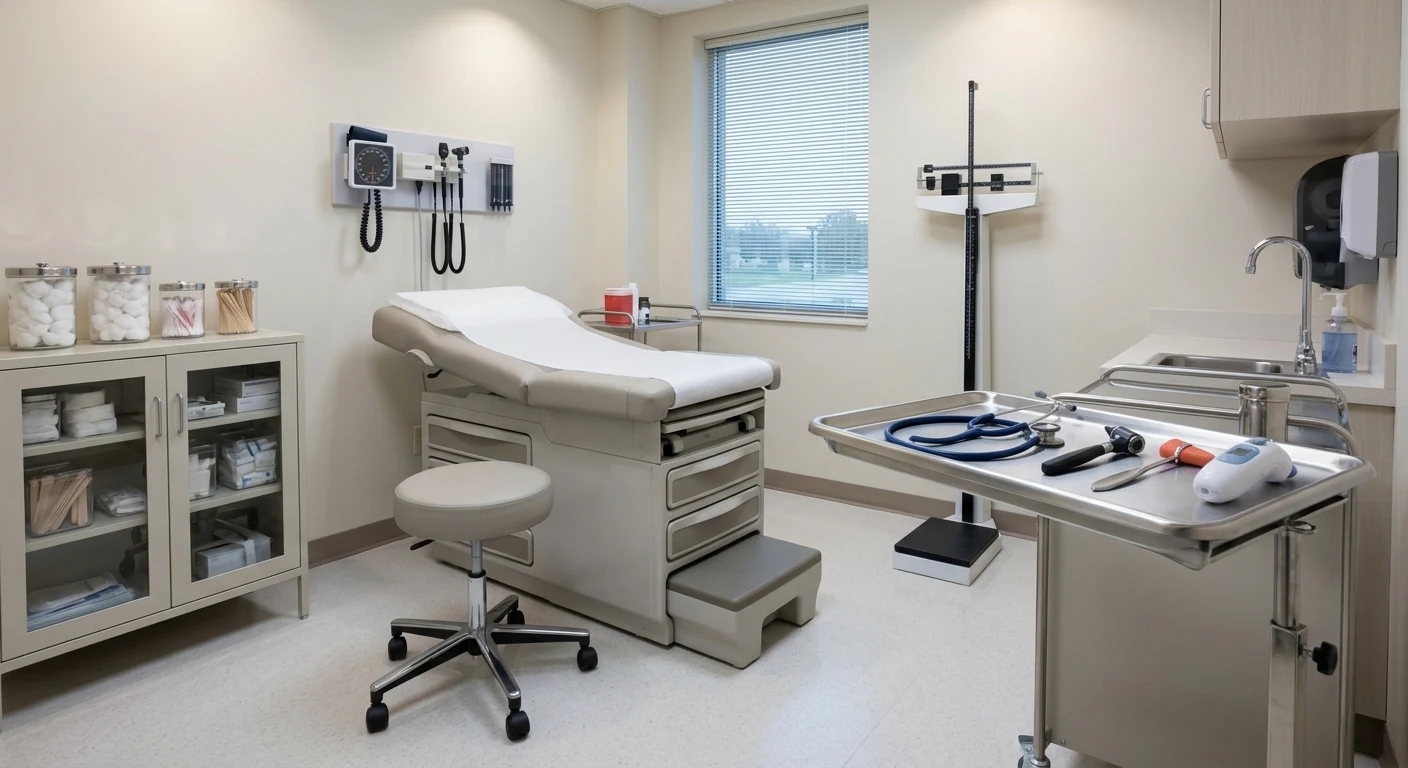
An annual health checkup for Etoobicoke residents is not necessarily the equivalent to a comprehensive annual physical examination or routine array of blood tests. The important question is what preventive services you need, when you last got them, and if your health risk has changed. Longstanding relationships between the adult and the primary care provider are beneficial for the adult; however, the frequency of such appointments and the laboratory screening tests and examinations should be tailored to the individual, not to everyone.
Why Regular Primary Care Matters More Than a Fixed Calendar
A preventive visit is a chance to check your health history, medications, vaccination requirements and age-appropriate screenings. It also gives a clinician clues as to what changes may take place without clear signs of symptoms. The greatest value appointment is one where a real care question is answered and not where the same tests are ordered every year without a valid clinical indication. For those whose overall health is good and who do not have significant risk factors, a full-body exam may not be necessary every year. However, a person with hypertension, diabetes, or any other medical need related to pregnancy and/or a complicated medication regimen may need more frequent contact. The right schedule can be the combination of prevention and not having to investigate unnecessary and unwelcome incidental findings or have to follow up or have to worry about findings.
Planning an Annual Health Checkup in Etobicoke
People tend to believe that if they are looking for an annual health checkup at the Etobicoke clinic, then the checkup will include all of their concerns. In reality, the clinician might focus on the most important issues and schedule individual visits or screening tests. If your appointment time is limited, ask what is due now and what questions can be postponed. Carry a list of medicines and supplements, updates on family history, and any symptoms that have arisen. If there are reports from another clinic, ensure that these can be passed on to your current clinic. The aim is a coordinated plan of what tests are required, what the tests will show, and who will act on the results if there are any unexpected ones.
Which Screening Tests Are Recommended at Different Ages?
During the adult preventive care, blood pressure, cancer screening, vaccination, and metabolic risk assessment are some indicators that are often discussed. Restrictions apply based on age, sex-related anatomy, family history and others. For most eligible individuals, cervical screening in Ontario now involves an HPV-based test instead of a routine Pap test every three years. All decisions regarding colorectal screening, breast screening and other screening decisions should be based on the applicable provincial screening guidance and shared decision-making. Don't assume that a blood count, vitamin panel, ECG, or imaging study is necessary annually. Discuss with the clinician what a test may result in and the benefit the test may bring in your situation.
How Health History Changes Your Checkup Schedule
The definition of a 'family history of premature cardiovascular disease' or some cancers may change at the time of screening. Plans for smoking prevention are also informed by people's blood pressure, cholesterol levels, glucose levels, medication use, and level of physical activity. Screening and investigation of symptoms are intended to serve different purposes, and if someone has recently had a routine checkup, then new symptoms should be evaluated. For those with a long-term condition, follow-up can concentrate on trends instead of just one image. Visits may be modified upon a change in medication or if a laboratory result is required to be reviewed by your provider. Having a medical summary up to date will ensure that care teams can coordinate recommendations, particularly if you have seen a walk-in clinician or a specialist.
What Happens During a Preventive Care Appointment
A health review usually starts with your current concerns, personal and family history, lifestyle, medication list and previous tests. The doctor will take your blood pressure and other measurements and do a targeted physical exam according to your risks and symptoms. Sleep, mental health, nutrition, movement, sexual health and prevention vaccines may be discussed. Some of the tests are requested at the visit; others will be arranged afterwards. Inquire about each test being recommended, how to prepare and how the results will be provided. The end of a good visit isn't a reassuring "everything is normal now." The end of a good visit is not a reassuring "everything is normal now."
Preventive Care Between Your Appointments
Healthy lifestyle choices such as regular exercise, a nutritious diet, good sleep habits, avoiding tobacco and limiting alcohol will help the body stay healthy over time. Reevaluate immunization eligibility and keep up-to-date with recommended screening invitations. If you own a blood pressure cuff, learn how to take your blood pressure; do not take blood pressure at moments of stress. Preventive health is also addressing new problems as they arise. If someone has persistent fatigue, unexpected weight change, or a new onset of shortness of breath or other unusual symptoms, it is a good idea to reach out to a clinician. The concerns should not be postponed to the next routine review, as you may not feel ill.
Family Doctor or Walk-In Clinic for Preventive Health?
Family physicians are ideal providers to support routine screening and provide long-term monitoring and management of chronic conditions. If you don't need emergency care and have a new problem that you need to see right away, a walk-in clinic may be helpful. These are additional services, and continuity is important with testing and medication changes. Every year, patients visiting Etobicoke should ask if the health examination is for a "standard" checkup or a checkup to see if they have symptoms. Tell other doctors you've been to and refrain from repeating tests. Knowing who will be involved in follow-up care, particularly if there is more than one clinic involved, can be helpful.
Choosing an Individualized Checkup Plan in Etobicoke
The best time is based on age, health, family history, screening eligibility, and personal preferences. Some may require short-range follow-up; others may find that periodic, proactive discussions and routine screening at suggested intervals are helpful. In cases of doubt, consult with the family doctor on what health check-ups are necessary. Markland Wood Medical Clinic provides preventive care, family medicine and management of chronic conditions services for Etobicoke. Patients may call the clinic to make a proper appointment to analyze their screening requirements. Careful planning can benefit the usefulness of appointments, as well as minimize the number of repeat tests and missed opportunities for prevention.
Conclusion
The right preventive schedule depends on your needs, not a blanket requirement for the same yearly tests. For residents of Etobicoke and surrounding areas, please visit the Markland Wood Medical Clinic and talk to any family or walk-in doctor about your concern.
📍 4335 Bloor Street West, Etobicoke, ON M9C 2A5
📞 Phone: (416) 695-8878
✉️ Email: marklandwalkinmedical@gmail.com
🌐 Website: https://www.marklandwood.ca/
Seek urgent or emergency care if symptoms are severe or getting worse quickly instead of routine care.
Frequently Asked Questions
1. Should all healthy adults be seen for full physical examinations annually?
Not necessarily. Screening and examinations should be conducted based on age, symptoms and individual risk.
2. How often should I have my blood pressure checked?
This can be monitored during suitable primary healthcare check-ups and additional monitoring if it is high.
3. Should I ask for blood tests to take place every year?
Don't get yearly blood panels unless they are indicated.
4. Is an annual health checkup covered by OHIP?
Limited coverage for specific medically necessary services and eligibility, please check with the clinic.
5. Should my screening schedule be adjusted based on my family history?
Yes, some family histories impact screening age and frequency.
6. If I have diabetes or high blood pressure, what can I do?
When someone has a chronic condition, a follow-up plan is typically required, and the condition has to be monitored regularly.
7. Do I need to get checked up when I feel well?
Symptomatic or non-symptomatic, preventive screening may still be indicated.
8. Does a health review include cancer screening?
No, cancer screening is one aspect of prevention that has eligibility requirements.
9. May I talk with my doctor about my mental health?
Yes. Talking about sleep, stress, mood and other issues should take place in primary care.
10. What documents do I need to take?
Have a health card and a list of medications and any recent test results with you.
11. Should I get an ECG every year?
Not routinely for ALL adults with no symptoms; it depends on medical circumstances.
12. Is a walk-in clinic able to set up preventive testing?
A clinician may order indicated tests, but it may be easier to coordinate these in the long term with primary care.
13. What if I missed a screening appointment?
Call your health care provider to double-check the requirements and to make alternative arrangements.
14. Should vaccines be part of a physical examination?
Yes. Immunization requirements vary by age, risk factors and the current recommendations.
15. What is the best place to have a health checkup in Etobicoke?
Please call Markland Wood Medical Clinic for advice on which type of appointment is suitable.
This article is general health information and is not a substitute for advice from your doctor.